☕ Moroccan Qahwa Mettra (Spiced Coffee) – A Hidden Treasure of Moroccan Hospitality
Introduction: More Than Coffee, It’s an Experience
In Morocco, coffee is not just a drink — it is a ritual, a gesture of generosity, and a symbol of warmth. While many people around the world know about mint tea, fewer have discovered Qahwa Mettra (قهوة معطرة) — Morocco’s traditional spiced coffee.
This aromatic coffee blends rich roasted beans with warming spices, creating a bold yet comforting drink that awakens the senses. It is especially loved in the northern and eastern regions of Morocco and is often served during special gatherings, cold evenings, or after meals.
What Does “Qahwa Mettra” Mean?
The word “Mettra” comes from the Arabic word meaning perfumed or aromatic. So, Qahwa Mettra literally means:
“Perfumed Coffee” or “Spiced Coffee”
Unlike plain espresso or filtered coffee, Qahwa Mettra is infused with a carefully balanced mix of spices that give it a distinctive Moroccan identity.
The Unique Spice Blend – The Soul of Qahwa Mettra
What makes this coffee unforgettable is its spice mixture. While every family may have its own variation, the classic ingredients often include:
🟤 Cinnamon – Adds warmth and sweetness
🟡 Ginger – Gives a gentle spicy kick
🟢 Cardamom – Provides a fresh, aromatic note
🌿 Cloves – Adds depth and intensity
⚫ Black pepper – A subtle heat in some regions
🌰 Nutmeg – Optional, for earthy richness
The spices are usually ground together and mixed directly with coffee grounds before brewing.
This blend creates a complex flavor profile:
Warm
Slightly spicy
Deeply aromatic
Smooth but bold
How Is Moroccan Qahwa Mettra Prepared?
There are two traditional ways to prepare it:
1️⃣ Mixed Before Brewing (Most Authentic Way)
The spices are blended with ground coffee and brewed together in:
A traditional stovetop pot
A moka pot
Or sometimes in a simple saucepan
This method allows the flavors to fully infuse.
2️⃣ Spices Added After Brewing
In some homes, brewed coffee is poured over a small spoon of spice mix and stirred well. This creates a stronger spice presence.
Traditional Serving Style
Qahwa Mettra is traditionally:
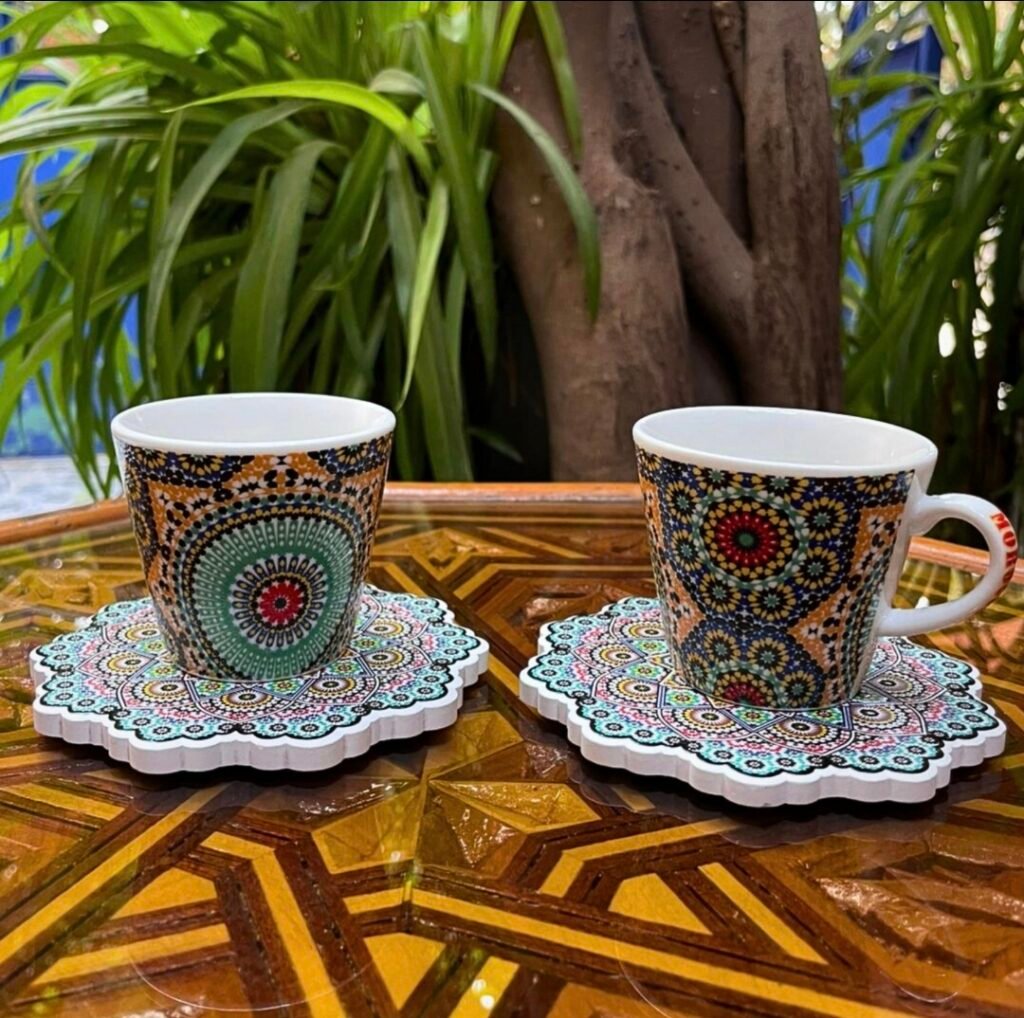
Served in small cups (similar to espresso cups)
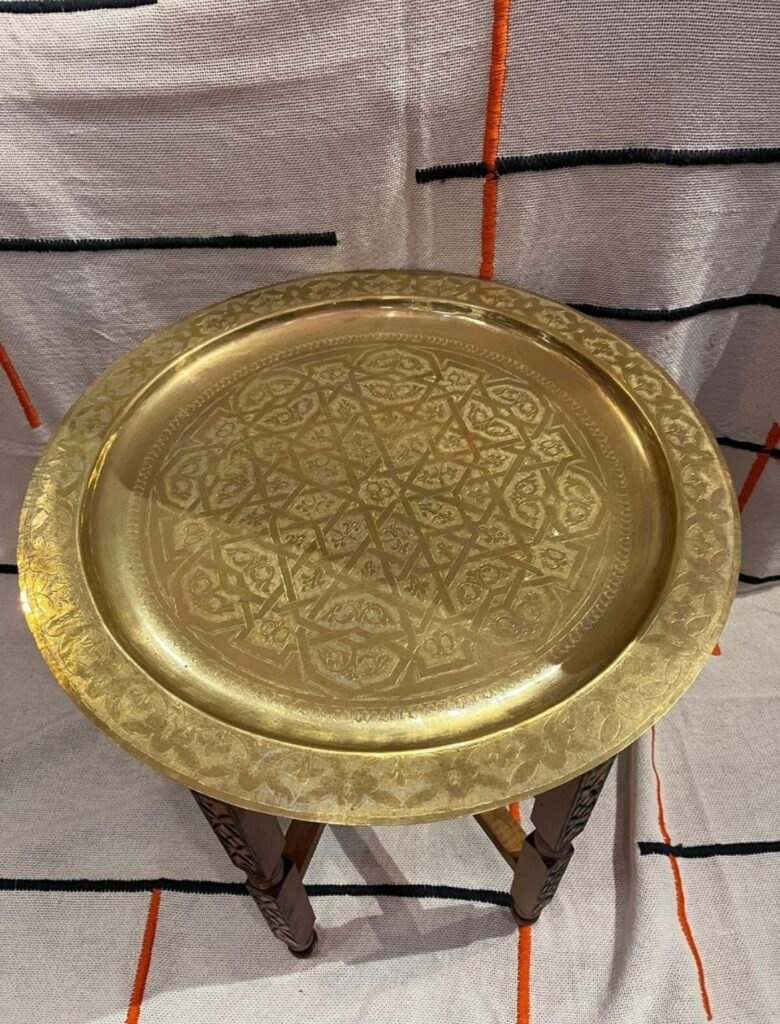
Presented on a decorative brass tray
Accompanied by sweets like:
Almond cookies
Kaab el Ghazal (gazelle horns)
Chebakia during Ramadan
Serving coffee in Morocco reflects hospitality and respect. Refusing a cup may even be considered impolite in traditional settings.
When Do Moroccans Drink Qahwa Mettra?
🌙 During winter evenings
🎉 At family gatherings
🏠 When welcoming guests
🕌 During religious celebrations
🍽 After heavy meals
It is less of a daily quick coffee and more of a meaningful drink.
Health & Cultural Benefits
Because of its spices, Qahwa Mettra is believed to:
Improve digestion (thanks to ginger and cardamom)
Warm the body in cold weather
Stimulate energy
Boost circulation
Beyond physical benefits, it strengthens social bonds. Sharing spiced coffee means sharing conversation, stories, and time.
How Qahwa Mettra Differs from Other Spiced Coffees
Coffee Type
Origin
Key Difference
Arabic Coffee
Middle East
Lighter roast, more cardamom-focused
Turkish Coffee
Turkey
Very fine grind, thick texture
Indian Masala Coffee
India
Often milk-based
Qahwa Mettra
Morocco
Balanced spice blend, strong roast, no milk
Moroccan Qahwa Mettra stands out for its boldness and harmony between spice and coffee — not overpowering, but perfectly layered.
Simple Recipe to Try at Home
Ingredients:
2 tablespoons ground dark coffee
1/2 teaspoon cinnamon
1/4 teaspoon ginger
1/4 teaspoon cardamom
A pinch of cloves
1 cup water
Instructions:
Mix coffee and spices.
Add water in a small pot.
Heat gently until it begins to rise (do not overboil).
Remove from heat, let settle briefly.
Pour slowly into small cups.
Enjoy without milk (sugar optional).
A Cultural Treasure Worth Discovering
While Moroccan mint tea may be world-famous, Qahwa Mettra remains a hidden gem waiting to be discovered. It represents the richness of Moroccan heritage — influenced by Arab, Amazigh, Andalusian, and African traditions.
It is not just coffee.
It is warmth.
It is tradition.
It is Moroccan identity in a cup.